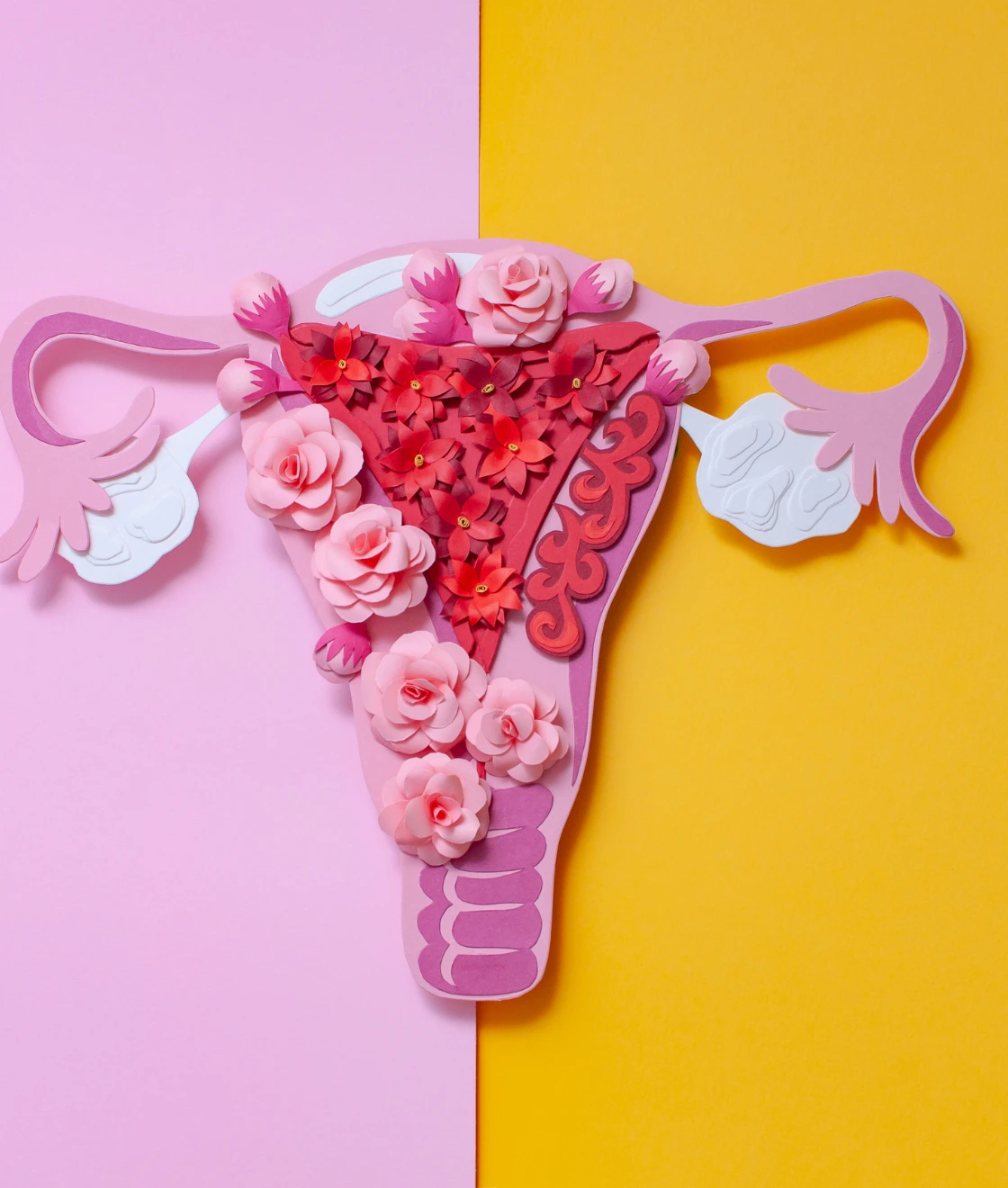
From Hormonal Chaos to Balance at 24: A Holistic PCOD Story
Patient Background
Ms. Khushi, a 24-year-old woman, presented with irregular menstrual cycles, persistent acne, and rapid weight gain of 6 kg within two months. With a strong family history of Type 2 Diabetes, she was concerned about her hormonal imbalance and long-term metabolic health.
Clinical Evaluation & Diagnosis
A comprehensive diagnostic evaluation was conducted to identify the root cause of her symptoms.
These findings established that her condition was both hormonal and metabolic, requiring a multidimensional treatment plan.
Personalized Treatment Strategy
1. Medical Management
A targeted medication plan was prescribed to regulate her menstrual cycle and improve insulin sensitivity:
Meprate for cycle regulation
SuSRON for hormonal balance
Metformin to manage insulin resistance
2. Holistic Lifestyle Modification
To ensure long-term results, a structured lifestyle plan was introduced:
Elimination of processed sugars and junk food
Regular physical activity for sustainable weight loss
Stress management techniques to support hormonal balance
Outcome & Transformation
With consistent adherence to the treatment plan, Ms. Khushi experienced significant improvements:
Restoration of regular menstrual cycles
Visible reduction in acne
Gradual and sustainable weight loss
Improved metabolic health markers
Patient Impact
Today, Ms. Khushi leads a healthier, more confident life. By addressing the root cause of PCOD through a holistic approach, she has regained control over her body and reduced her risk of future metabolic complications.
Compassionate Care Backed by Expertise: Dr. Minal Singh
This case was successfully managed under the guidance of Dr. Minal Singh – Founder, CEO & Chairperson of Sapling IVF. With extensive expertise in reproductive medicine, IVF, and gynecology, she specializes in managing PCOD and hormonal disorders through personalized, evidence-based, and holistic care.
Final Thoughts
PCOD is more than just a hormonal condition, it is closely linked to lifestyle and metabolic health. This case highlights how early diagnosis, the right medical guidance, and sustainable lifestyle changes can lead to long-term balance and improved well-being. A holistic approach not only manages symptoms but also empowers patients to take control of their health with confidence.
Take the First Step Towards Hormonal Balance
If you are experiencing symptoms like irregular periods, weight gain, or hormonal imbalance, timely care can make a significant difference.
Connect with the experts at Sapling IVF for personalized PCOD treatment and holistic care tailored to your needs. Start your journey towards better hormonal health and a more balanced life today.
Frequently Asked Questions (FAQs)
What are the early signs of PCOD in young women?
PCOD often begins with symptoms like irregular or missed periods, acne, unexplained weight gain, hair thinning, or excess facial hair. Many women also experience fatigue and difficulty losing weight. Early diagnosis is important to prevent long-term hormonal and metabolic complications.
Can PCOD be treated with a holistic approach?
Yes, PCOD can be effectively managed with a combination of medical treatment and lifestyle changes. A holistic approach focuses on balancing hormones, improving insulin sensitivity, and addressing root causes through proper diet, exercise, stress management, and medication when needed.
How does insulin resistance affect PCOD?
Insulin resistance is a key factor in many PCOD cases. When the body does not respond properly to insulin, it leads to higher insulin levels, which can disrupt hormone balance and worsen symptoms like irregular periods, weight gain, and acne. Managing insulin levels is crucial for long-term PCOD control.
How long does it take to see improvement in PCOD symptoms?
Improvement depends on consistency in treatment and lifestyle changes. Some women may notice better menstrual regularity and reduced symptoms within 2–3 months, while long-term metabolic improvements may take a few more months. Regular follow-ups help track progress effectively.
Can PCOD affect future fertility if not treated?
Yes, untreated PCOD can impact ovulation and make it harder to conceive. However, with timely treatment, lifestyle management, and medical support, most women with PCOD can achieve hormonal balance and improve their chances of natural or assisted conception.